
Loading...
Serving St. Joseph, MO and surrounding areas. (816) 558-9711
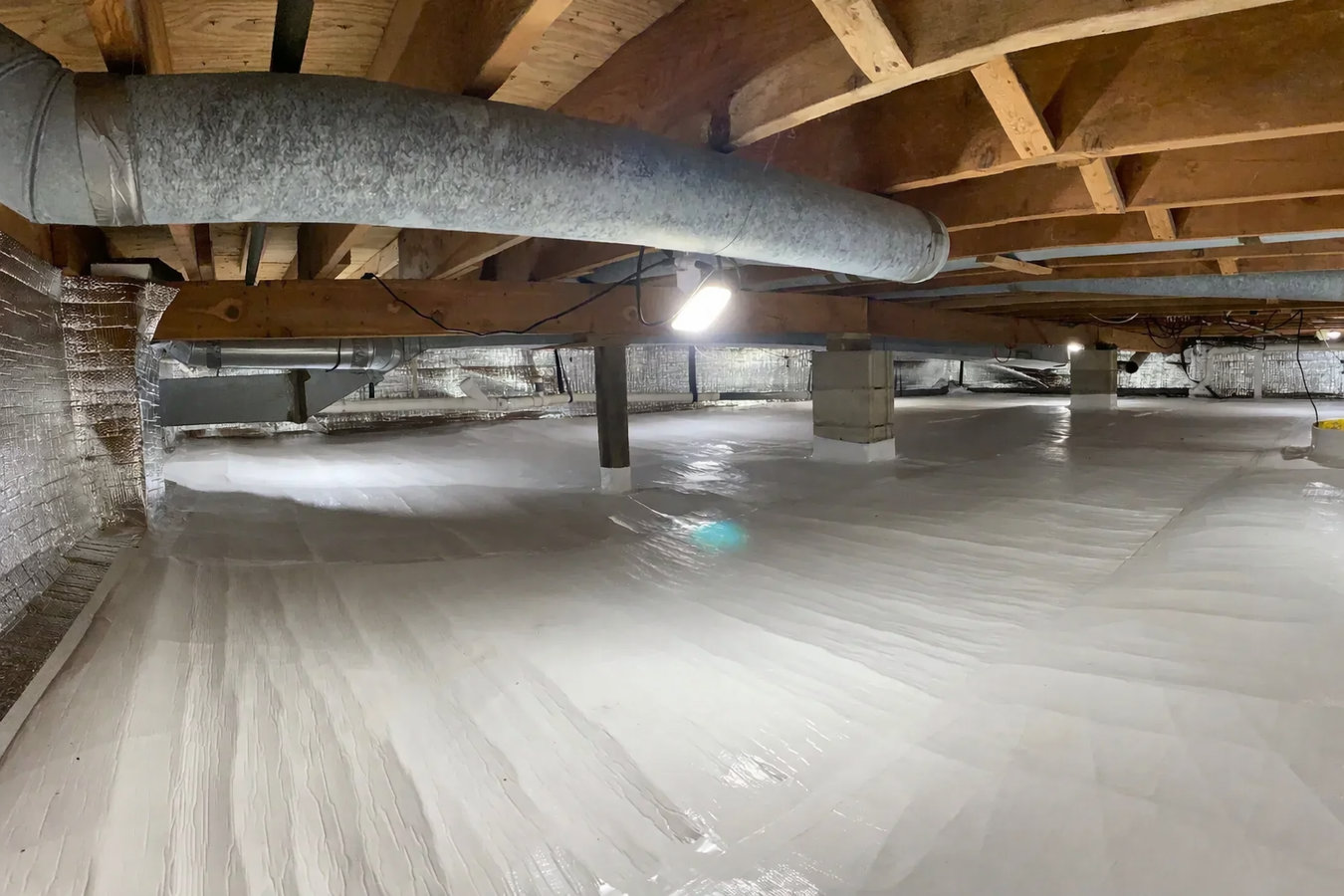
Cold floors, musty smells, and climbing energy bills often trace back to an uninsulated crawl space. We fix that - with proper insulation, moisture control, and a clean space that protects your home year-round.
Crawl space insulation in St. Joseph acts as a thermal barrier between the cold ground and your living floors, reducing heat loss in winter and blocking heat gain in summer - most single-home jobs are complete in one day. Without it, cold air pools in your crawl space and radiates straight up through your floor, making ground-level rooms uncomfortable no matter how high you set the thermostat. In older St. Joseph homes, the crawl space is often the biggest uncorrected energy loss point in the entire house.
Beyond comfort, a properly insulated and sealed crawl space protects the wood joists and beams that hold your floor up. When moisture gets in - from the ground, from condensation, or from poor ventilation - it leads to mold and rot that can cost far more to fix than the insulation itself. Our crawl space vapor barrier service addresses the moisture side of the equation, and it is often installed alongside insulation in the same visit for homeowners dealing with both problems.
The U.S. Department of Energy recommends insulating crawl spaces as one of the most effective steps homeowners can take to improve energy efficiency - particularly in Climate Zone 5, which covers St. Joseph and northwest Missouri, where heating loads are significant and the ground stays cold for months.
If you walk across your kitchen or living room floor in January and it feels noticeably cold through your socks, little or no insulation is separating your floor from the cold air in the crawl space below. St. Joseph winters regularly bring stretches of below-freezing temperatures, and an uninsulated crawl space lets that cold radiate straight up into your living space.
A persistent musty or earthy odor - especially in rooms on the ground floor or near floor vents - often means moisture is building up in the crawl space below. Given St. Joseph's clay soils and proximity to the Missouri River, ground moisture intrusion is common. You do not need to see mold to have a problem - the smell is usually the first warning.
If your heating and cooling costs have risen over the past few years and nothing else has changed, a deteriorating or absent crawl space insulation layer is a likely culprit. Insulation that has sagged, gotten wet, or been disturbed loses most of its effectiveness, and your HVAC system compensates by running longer. This is especially common in St. Joseph homes built before the mid-1980s.
Rodents often enter homes through gaps in the crawl space foundation and nest in insulation that is already there - or in the absence of it. If you have dealt with mice in your home, especially in ground-floor rooms, it is worth having a contractor inspect the crawl space for entry points and damaged insulation. Buchanan County pest pressure makes this a practical concern here.
We install insulation in vented and unvented crawl spaces using the right material for each setup. In vented crawl spaces - the most common type in older St. Joseph homes - insulation goes between the floor joists above. In unvented or encapsulated crawl spaces, rigid foam or spray foam is applied to the foundation walls instead. Every job starts with a moisture check, because installing insulation over a wet crawl space creates more problems than it solves. Our wall insulation service is often requested alongside crawl space work when a homeowner is upgrading the full lower envelope of the home.
For homes where moisture is the primary concern, we pair insulation with a ground cover vapor barrier - sometimes in the same visit. Our crawl space vapor barrier installation covers the ground surface of the crawl space with thick polyethylene sheeting that blocks ground moisture from rising into the space. We also seal air gaps around pipes, wires, and beams before any insulation goes in, which improves performance and is one of the details that separates thorough work from a rushed job.
Best for vented crawl spaces where insulation installs between the floor framing above.
Right for unvented or encapsulated crawl spaces where the whole space is conditioned.
Paired with insulation to block ground moisture from rising into your home.
Seals penetrations around pipes and beams before insulation covers them.
Comprehensive treatment for crawl spaces with serious moisture and comfort issues.
For crawl spaces where old, sagged, or contaminated material needs to come out first.
St. Joseph sits along the Missouri River, and much of the city's soil has a high clay content that holds water rather than draining it away. After heavy spring rain or snowmelt, that moisture works its way into crawl spaces - especially in lower-lying neighborhoods near the river. The freeze-thaw cycle that repeats every winter in this part of Missouri compounds the problem: moisture that gets in expands and contracts with temperature swings, which accelerates the breakdown of floor joist insulation and can promote mold in spaces that were never designed to handle repeated moisture exposure. Homes in the Near Northside, South St. Joseph, and similar older neighborhoods see this pattern regularly.
A large share of St. Joseph's housing stock was built before the mid-1980s, when crawl space insulation was rarely standard. Many of those homes have either nothing in the crawl space or original fiberglass batts that have sagged and separated from the floor joists over the decades. We work throughout St. Joseph, MO and serve nearby communities including Leavenworth, KS, where similar older housing patterns and river-adjacent moisture conditions apply. Getting ahead of crawl space problems before winter arrives is always easier - and less expensive - than reacting after damage sets in.
We ask about your home's age, size, and what you have been noticing - cold floors, high bills, moisture smells. We respond within 1 business day and can typically schedule a free on-site estimate within a few days rather than quoting over the phone, because crawl spaces vary too much to price accurately without seeing them.
A contractor accesses your crawl space through the hatch - usually in a closet floor, hallway, or exterior foundation wall. They check what insulation is already there, look for moisture and pest damage, and measure the space. This visit takes 30 to 60 minutes, and a good contractor walks you through what they found before leaving - not just hands you a number.
You receive a written estimate that breaks down what is being removed, what is being installed, whether a vapor barrier is included, and whether any moisture or pest issues need to be addressed first. No obligation. Take time to review it, ask questions, and compare if you are getting multiple estimates.
The crew spends four to eight hours in your crawl space, removes old damaged insulation, seals air gaps, installs new material, and lays or replaces the vapor barrier. Before they leave, ask them to walk you through photos taken during the job - a thorough crew will document the finished space. Your home is fully usable immediately after.
Free written estimate. We assess the space first and tell you exactly what it needs before any work begins.
(816) 558-9711We inspect for standing water, damp soil, and condensation before installing anything. Installing insulation over a wet crawl space traps moisture underneath and creates mold and wood rot - problems that cost far more to fix than the insulation itself. We will not skip this step to speed up the job.
A large portion of our crawl space work happens in pre-1980 homes throughout St. Joseph's established neighborhoods. We understand the specific challenges those homes present - undersized access hatches, original uninsulated floor joists, clay soil conditions, and older vapor barriers that need replacing. That local experience shapes how we assess and price every job.
Buchanan County has documented termite activity, and rodents are a common issue in older St. Joseph homes. We check for signs of pest activity before we install anything, and if we find evidence, we tell you to address it first rather than covering it up. That is one of the clearest ways to tell a thorough contractor from one who is just in a hurry.
We serve homeowners across 12 communities in northwest Missouri and northeast Kansas. That regional reach means we bring a practical understanding of the housing stock, climate conditions, and common crawl space problems in this specific part of the country - not a generic playbook written for somewhere else.
Every crawl space job ends with a walkthrough - photos from inside the space and a clear explanation of what was done. That kind of documentation protects you when you sell your home and gives you confidence that the work was actually completed properly.
For guidance on crawl space insulation standards and moisture management, see the U.S. Department of Energy and the North American Insulation Manufacturers Association.
Extend your home energy upgrade from the crawl space to exterior walls - reducing heat loss at every point in the building envelope.
Learn moreA ground-cover barrier that blocks moisture from rising into your crawl space, often installed alongside insulation in the same visit.
Learn moreWinter temperatures in St. Joseph drop fast - locking in your installation now means warmer floors and lower bills before the cold sets in.